
Have you ever considered the types of hazardous waste your office generates? Many businesses assume hazardous waste is only an issue for industrial environments, but offices can actually be home to a variety of potentially dangerous materials that pose a risk to human health.
From batteries and electronic waste to cleaning chemicals and printer cartridges, many everyday items in the workplace can be classified as hazardous or clinical waste. Failing to handle these materials properly doesn’t just pose health risks—it can lead to legal trouble and fines.
Let’s take a closer look at how your office can handle hazardous waste responsibly with help from Envirotec Hygiene Services.
Call Us Today To Discuss Your Hazardous Waste Collection Needs

What is Hazardous Waste in an Office Environment?
When you think of hazardous waste, your mind might go to heavy industries or medical facilities. But office environments can also produce hazardous materials that require careful disposal in line with UK hazardous waste regulations.
Common examples of hazardous waste produced include:
- Electronic Waste (E-Waste): Outdated computers, phones, printers, and other electronics often contain harmful substances like lead, mercury, and cadmium.
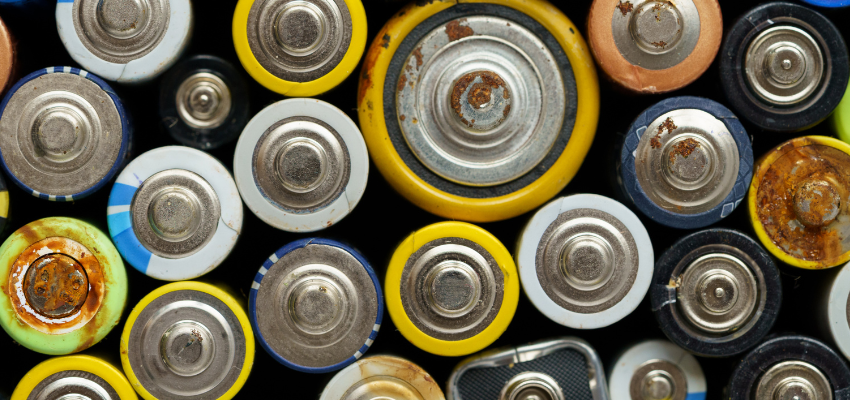
- Batteries: Office equipment that runs on batteries, including laptops and wireless peripherals, can create waste that contains corrosive and toxic materials and alkaline materials. Some recycling centres accept old lithium battery-powered objects and their batteries.
- Cleaning Chemicals: Commercial cleaning products used for office maintenance can include harmful substances that should be treated with care, and classed as household hazardous waste, not just liquid waste. This also counts for liquid waste used in the beauty treatment sector.
- Printer Cartridges and Toner: Often overlooked, these items contain chemicals that shouldn’t be thrown away with other types of regular rubbish. These should be safely stored in strong cardboard boxes ready to collect.
- Other Items: Mechanics should consider brake fluid and car oil equipment as hazardous waste, as well as anyone working with fluorescent tubes as per regulations.
Understanding what hazardous waste actually is in your office is the first step to ensuring proper handling. The next step is the process of hiring professional hazardous waste collection and removal.
Why Proper Disposal is Crucial
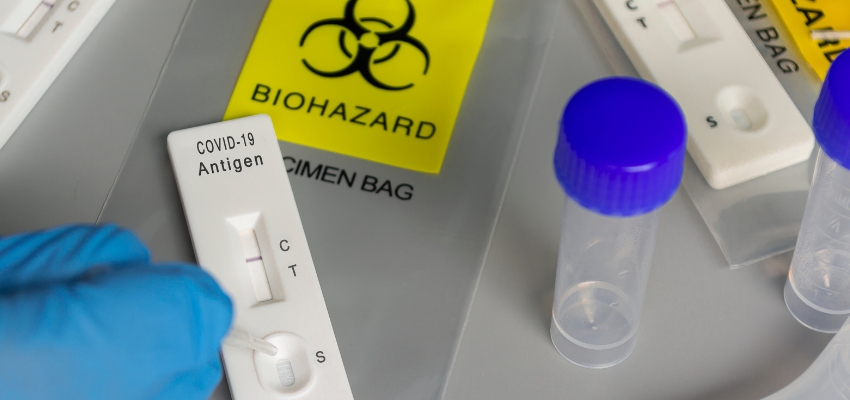
Ignoring hazardous waste management can lead to more than just a cluttered workspace. Mishandling these materials can cause a range of issues, including:
- Health Risks: Hazardous substances can pose dangers to your employees’ health, whether through direct contact or by contaminating the air or water supply. It’s important to transport waste to proper recycling centres to dispose of it, or store waste in correct bins or containers for collection.
- Environmental Impact: Improper disposal can harm the environment, leaching chemicals into the ground or contributing to electronic waste build-up. Solvents and pesticides are not only flammable, but can damage human health or the environment with their ozone depleting substances.
- Legal Ramifications: UK laws regulate the disposal of hazardous waste, and failing to comply can result in hefty fines or penalties. Your business produces hazardous waste, and only complete and proper hazardous waste management and collection are considered legal in England. A hazardous waste collection form or consignment note must accompany hazardous waste when moved from any premises.
By taking steps to manage hazardous waste, your business can avoid these risks and contribute to a safer, greener workplace.

Steps for Handling Hazardous Waste in the Office
Now that you know what kind of hazardous waste might be lurking in your office, here’s how to manage it effectively:
Identify and Segregate Hazardous Waste
The first step is to identify hazardous materials in your office. It’s important to separate them from regular waste immediately to avoid contamination.
For instance, electronic devices should be stored in designated containers until they can be properly disposed of or recycled. Many companies overlook items like used batteries or old printer cartridges, so make sure you’re thorough in your waste assessment.

Provide Proper Disposal Stations
You can’t expect your employees to dispose of hazardous waste correctly if the proper systems aren’t in place. Set up disposal stations in convenient areas of the office, clearly labelled for items like batteries, electronics, and chemical cleaners. This makes it easy for staff to discard hazardous materials properly.
Work with Licensed Waste Carriers
Hazardous waste disposal is regulated by law, so it’s essential to work with a licensed waste carrier such as us at Envirotec to ensure compliance.
At Envirotec, our waste disposal experts know how to handle hazardous waste safely and are certified to transport it to the appropriate facilities for disposal or recycling. Don’t attempt to manage hazardous waste disposal in-house—leave it to us to avoid any mishaps or legal issues!

Train Your Staff
Employees should be well-versed in identifying and handling hazardous materials. Regular training can help your team understand how to safely store and dispose of hazardous waste, reducing the risk of accidents or contamination.
You don’t need to turn them into waste experts, but they should know enough to recognise what’s hazardous and what isn’t.
Audit Your Waste Management Regularly
It’s easy to let your waste management practices slide as time goes on, which is why regular audits are crucial. Conduct periodic checks to ensure hazardous waste is being stored, handled, and disposed of correctly.
Audits can help catch any issues early and provide an opportunity to improve processes if necessary.
The Benefits of Responsible Hazardous Waste Management
Handling hazardous waste responsibly isn’t just about staying compliant—it comes with several benefits for your business:
- Improved Workplace Safety: By properly managing hazardous waste, you reduce the risk of accidents or exposure, creating a safer environment for your employees.
- Environmental Responsibility: Proper disposal practices show that your business takes its environmental responsibilities seriously, which can boost your company’s reputation.
- Cost Savings: While improper disposal can lead to fines, proper management can also reduce long-term costs. Reusing, recycling, or safely disposing of hazardous materials means less waste and lower disposal fees.
Envirotec Hygiene Services: Your Disposal Partners
Handling hazardous waste in your office isn’t just about following the law—it’s about creating a healthier, more responsible workplace. By taking simple steps to identify, manage, and dispose of hazardous materials, you’re not only protecting your team but also contributing to a more sustainable future.
So, the next time you’re ready to toss out those old electronics or half-used cleaning supplies, think twice. Proper hazardous waste management can make a big difference, both for your business and the environment as a cost effective solution.
Interested in learning more about how to manage hazardous waste at your office? Contact us at Envirotec Hygiene Services to see how we can help you with compliance, safety, and sustainability in your workplace!
For more help, get in touch with us via phone or email today.
Disposing Hazardous Waste FAQs
What are the 4 types of hazardous waste?
Hazardous waste has four main types: ignitability (flammable), corrosivity, reactivity, and toxicity.
What is the best method to dispose of hazardous waste?
The best method is to hire a professional hazardous waste collection company like Envirotec Hygiene Services, who can deal with everything from collection to identification of hazardous waste.
Is hazardous waste recyclable?
Some recycling centres will take certain types of waste if they have the capacity to dispose of it correctly.